
What Are Fibroids and Adenomyosis?
Fibroids and adenomyosis are two common gynecological conditions that can affect the uterus and may cause heavy periods, pelvic pain, pressure, and other menstrual problems. Although their symptoms can sometimes appear similar, they are different conditions and may require different approaches to diagnosis and treatment. Understanding the difference between uterine fibroids and adenomyosis can help women recognize symptoms early and seek appropriate medical care.
What Are Uterine Fibroids?
Uterine fibroids are non-cancerous growths that develop from the muscle and connective tissue of the uterus. They can occur as a single growth or as multiple fibroids of different sizes. Some fibroids remain very small and cause no noticeable problems, while others may become large enough to change the shape or size of the uterus.
Fibroids are commonly identified during the reproductive years. Their exact cause is not completely understood, but hormones such as estrogen and progesterone are believed to influence their development and growth. Genetic and other biological factors may also contribute.
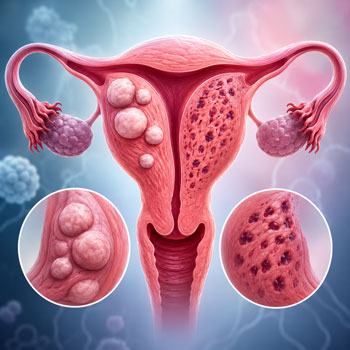
Different Types of Fibroids
Fibroids are generally classified according to where they develop in relation to the uterine wall. Intramural fibroids grow within the muscular wall of the uterus and are among the most common types. Submucosal fibroids develop toward the inner uterine cavity and may be associated with heavy menstrual bleeding. Subserosal fibroids grow toward the outer surface of the uterus and may cause pressure symptoms when they become larger. Some fibroids can also grow on a stalk-like structure and are known as pedunculated fibroids.
Common Symptoms of Fibroids
Not every woman with fibroids experiences symptoms. When symptoms occur, their severity may depend on the number, size, and location of the fibroids.
- Heavy or prolonged menstrual bleeding
- Pelvic pain, heaviness, or pressure
- Painful menstrual periods
- Abdominal fullness or enlargement
- Frequent urination due to pressure on the bladder
- Constipation or pressure on the bowel
- Lower back discomfort
- Pain or discomfort during sexual intercourse
- Iron-deficiency anemia due to excessive menstrual blood loss
- Fertility or pregnancy-related difficulties in some women
What Is Adenomyosis?
Adenomyosis is a uterine condition in which tissue similar to the lining of the uterus is found within the muscular wall of the uterus. This can cause the uterine muscle to become thicker and the uterus to become enlarged or tender. The condition is benign, but symptoms can significantly affect daily activities and quality of life.
The exact reason adenomyosis develops is not fully established. Hormonal activity is believed to play an important role. Symptoms can vary considerably, with some women experiencing significant menstrual pain and bleeding while others may have mild symptoms or none at all.
Symptoms of Adenomyosis
Adenomyosis can produce symptoms that overlap with fibroids, endometriosis, and other gynecological conditions. Common symptoms may include:
- Heavy menstrual bleeding
- Severe menstrual cramps
- Chronic or recurring pelvic pain
- Pelvic pressure or heaviness
- An enlarged or tender uterus
- Pain during sexual intercourse
- Bleeding-related tiredness or anemia
Persistent menstrual pain should not automatically be considered a normal part of having periods. Women experiencing worsening pain, unusually heavy bleeding, or symptoms that interfere with work, sleep, or routine activities should consider a gynecological evaluation.
Fibroids vs Adenomyosis: What Is the Difference?
The main difference between fibroids and adenomyosis is how the abnormal tissue affects the uterus. Fibroids are distinct non-cancerous growths formed from uterine muscle and connective tissue. Adenomyosis involves endometrial-like tissue extending into the muscular wall of the uterus.
Fibroids may create clearly defined masses that can occur in different locations around the uterus. Adenomyosis often causes more diffuse thickening of the uterine muscle, although localized forms can also occur. Importantly, a woman may have fibroids and adenomyosis at the same time, which can make evaluation and treatment planning more complex.
How Are Fibroids and Adenomyosis Diagnosed?
Diagnosis usually begins with a detailed medical history and discussion about menstrual patterns, pelvic pain, bleeding, previous pregnancies, and other symptoms. A gynecologist may perform a pelvic examination to assess the size, shape, or tenderness of the uterus.
Pelvic ultrasound is commonly used to evaluate the uterus and identify structural abnormalities such as fibroids. Depending on the symptoms and ultrasound findings, additional imaging such as magnetic resonance imaging (MRI) may sometimes be recommended to obtain more detailed information and help distinguish adenomyosis from fibroids or other uterine conditions.
Blood tests may also be advised when heavy periods are present, particularly to check hemoglobin and assess whether significant blood loss has resulted in anemia.
Can Fibroids or Adenomyosis Affect Fertility?
The effect on fertility differs from one woman to another. Many women with fibroids become pregnant without difficulty. However, certain fibroids, particularly those that alter the uterine cavity, may affect fertility or pregnancy in some cases. The size and location of the fibroid are often more important than simply having a fibroid.
Adenomyosis may also be associated with reproductive difficulties in some women, but fertility assessment should consider many factors, including age, ovarian function, fallopian tube health, partner factors, and other gynecological conditions. Individual evaluation is therefore important when pregnancy is being planned.
Treatment Options for Fibroids
Treatment is not automatically required for every fibroid. Small fibroids that are not producing significant symptoms may simply be monitored through periodic medical review. When treatment is necessary, the choice depends on symptoms, fibroid size and location, age, overall health, and future pregnancy plans.
Medicines may be prescribed to control heavy bleeding, menstrual pain, or related symptoms. Hormonal treatments may be suitable for selected patients. When symptoms are severe or fibroids significantly affect health or quality of life, procedures or surgery may be considered. Options can include fibroid removal and other uterus-directed treatments, with the appropriate approach determined after specialist assessment.
Treatment Options for Adenomyosis
Treatment for adenomyosis is individualized according to the severity of bleeding and pain, age, reproductive plans, and overall health. Mild symptoms may be managed with medicines for pain or menstrual bleeding. Hormonal therapies may help control symptoms in appropriately selected women.
Women with persistent or severe adenomyosis may require additional treatment options after evaluation by a gynecologist. Decisions regarding procedures or surgery should take into account whether future pregnancy is desired and how significantly the condition is affecting everyday life.
When Should You Consult a Gynecologist?
Medical evaluation is recommended when periods become unusually heavy, menstrual pain progressively worsens, pelvic discomfort continues between periods, or abdominal pressure affects routine activities. Women should also seek medical advice for persistent fatigue associated with heavy bleeding, difficulty becoming pregnant, or a noticeable change in menstrual patterns.
Sudden severe pelvic pain, fainting, marked weakness, or very heavy bleeding may require urgent medical assessment rather than waiting for a routine appointment.
Managing Fibroids and Adenomyosis
Living with fibroids or adenomyosis does not mean every patient will need surgery. Modern gynecological care focuses on identifying the exact cause of symptoms and selecting treatment according to the individual patient's needs. Monitoring menstrual patterns, maintaining follow-up appointments, treating anemia when present, and discussing fertility plans with a specialist can support effective long-term management.
Fibroids and adenomyosis are different benign uterine conditions, but both can contribute to heavy periods, pelvic pain, pressure, and reduced quality of life. Because similar symptoms may occur with several gynecological disorders, self-diagnosis should be avoided. A proper clinical examination and appropriate imaging can help establish the diagnosis and guide personalized treatment. Early evaluation of persistent or worsening symptoms can help women make informed decisions about their reproductive and uterine health.