What Is a High-Risk Pregnancy?
A high-risk pregnancy is a pregnancy in which the mother, baby, or both have a higher chance of developing health complications before, during, or after childbirth. Being classified as high risk does not necessarily mean that serious problems will occur. It means the pregnancy may require closer monitoring, additional tests, specialist consultations, and an individualized care plan to support the health of both mother and baby.
Some pregnancies are considered high risk from the beginning because of existing medical conditions, maternal age, or previous pregnancy complications. In other cases, a pregnancy may become high risk because a new condition develops during pregnancy. Early antenatal care and regular medical follow-up can help identify potential concerns and guide appropriate treatment.
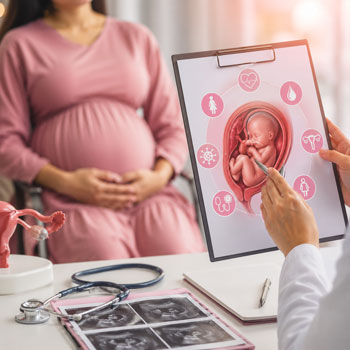
Many different factors can increase pregnancy-related risks. These may include the mother's general health, medical history, previous pregnancies, lifestyle factors, or complications affecting the developing baby. The level of risk varies from one woman to another, which is why personalized evaluation by an obstetrician is important.
Maternal Age
Pregnancy at a very young age or at an advanced maternal age may require additional monitoring. Women who become pregnant at age 35 or older may have an increased likelihood of certain complications, including gestational diabetes, high blood pressure, chromosomal abnormalities, and pregnancy-related complications. Appropriate screening and regular antenatal visits can help assess these risks.
Pre-Existing Medical Conditions
Women with certain medical conditions before pregnancy may need coordinated medical care throughout pregnancy. Conditions such as diabetes, chronic hypertension, thyroid disorders, kidney disease, heart disease, epilepsy, autoimmune disorders, and some blood disorders can influence pregnancy management. Proper control of these conditions before and during pregnancy may help reduce complications.
High Blood Pressure During Pregnancy
High blood pressure is an important condition that requires careful monitoring during pregnancy. Some women have hypertension before becoming pregnant, while others develop it during pregnancy. Conditions such as gestational hypertension and preeclampsia can affect the mother's health and the baby's growth. Regular blood pressure checks, laboratory tests, and fetal monitoring may be recommended depending on the clinical situation.
Diabetes and High-Risk Pregnancy
Both pre-existing diabetes and gestational diabetes can make a pregnancy higher risk. Poorly controlled blood glucose may increase the likelihood of complications for both mother and baby. Blood sugar monitoring, appropriate nutrition, physical activity when medically suitable, and medications or insulin when prescribed can help manage diabetes during pregnancy.
Multiple Pregnancy
Women carrying twins, triplets, or more babies generally require closer pregnancy monitoring. Multiple pregnancies can have a higher risk of premature delivery, low birth weight, fetal growth problems, and maternal complications such as high blood pressure. The frequency and type of monitoring depend on the number of babies and whether they share a placenta or amniotic sac.
Previous Pregnancy Complications
A woman's previous pregnancy history provides valuable information when planning antenatal care. A history of recurrent miscarriage, premature birth, stillbirth, preeclampsia, gestational diabetes, fetal growth restriction, major bleeding, or previous pregnancy-related complications may lead the doctor to recommend additional surveillance during a future pregnancy.
Placental Problems
The placenta supplies oxygen and nutrients to the developing baby. Conditions affecting its position or function may increase pregnancy risks. Placenta previa, placental abruption, and some forms of placental dysfunction require careful medical assessment. Depending on the condition, doctors may recommend additional ultrasound examinations, activity modifications, medication, hospitalization, or planned delivery.
Problems With Fetal Growth or Development
A pregnancy may also be considered high risk when an ultrasound or screening test identifies concerns about the baby's growth, anatomy, genetic health, or development. Some babies may be smaller or larger than expected for gestational age. Additional ultrasound scans, Doppler studies, fetal monitoring, or specialist evaluation may be recommended to understand the condition and plan further care.
Symptoms That Need Prompt Medical Attention
Pregnant women should seek medical advice if they experience unusual or concerning symptoms. Warning signs can include vaginal bleeding, severe abdominal pain, persistent severe headache, vision changes, sudden swelling, breathing difficulty, seizures, leaking of fluid, regular painful contractions before term, high fever, or a noticeable reduction in the baby's movements after fetal movements have become established.
These symptoms do not always indicate a serious complication, but they should not be ignored. Timely medical evaluation helps determine whether urgent treatment or additional monitoring is required.
How Is a High-Risk Pregnancy Monitored?
High-risk pregnancy care is tailored to the individual. A woman may require more frequent antenatal appointments than someone with an uncomplicated pregnancy. During these visits, the healthcare team may monitor blood pressure, weight, blood glucose, blood or urine test results, fetal growth, fetal heart rate, and other factors relevant to the pregnancy.
Ultrasound examinations can be used to assess fetal growth, amniotic fluid, placental location, and selected aspects of fetal development. In some pregnancies, additional investigations such as Doppler ultrasound, non-stress testing, or other fetal surveillance may be advised. The specific tests depend on the mother's health, gestational age, and the baby's condition.
Treatment and Management of High-Risk Pregnancy
There is no single treatment for every high-risk pregnancy. Management depends on the underlying reason for the increased risk. Some women may only need additional monitoring, while others may require medication, dietary changes, specialist consultations, or hospital-based observation.
For example, women with diabetes may need careful glucose management, while those with hypertension may require medications considered appropriate during pregnancy and regular blood pressure monitoring. If there is concern about premature delivery, fetal growth, or another complication, the obstetric team will develop a management and delivery plan based on the clinical circumstances.
Importance of Regular Antenatal Care
Regular antenatal care plays an important role in both routine and high-risk pregnancies. Scheduled check-ups allow doctors to monitor maternal health, evaluate fetal development, review medications, identify new symptoms, and perform recommended pregnancy screening tests.
Women should attend appointments as advised and inform their doctor about existing illnesses, previous pregnancy complications, medications, supplements, allergies, and significant changes in their health. Medicines should not be started, stopped, or changed during pregnancy without appropriate medical advice.
Healthy Habits During a High-Risk Pregnancy
Healthy daily habits can support pregnancy care alongside medical treatment. Eating a balanced diet, taking prescribed prenatal supplements, getting appropriate rest, remaining physically active when approved by the treating doctor, and avoiding tobacco, alcohol, and recreational drugs are important measures.
Pregnant women should also follow medical advice regarding weight gain, vaccinations, blood sugar monitoring, blood pressure checks, travel, exercise, and work-related activities. Recommendations can differ depending on the condition making the pregnancy high risk.
Planning for Delivery
High-risk pregnancy management also includes planning the safest possible time, place, and method of delivery. A high-risk pregnancy does not automatically mean that a Caesarean section is required. Some women can have a vaginal delivery, while others may need an induced labour or Caesarean delivery because of maternal or fetal indications.
The delivery plan may change as pregnancy progresses. Decisions are generally based on the mother's health, baby's condition and position, placental factors, gestational age, previous deliveries, and any complications that develop.
High-Risk Pregnancy Care and Specialist Support
Early identification and appropriate management can make a significant difference in high-risk pregnancy care. Depending on the condition, care may involve an obstetrician along with specialists in maternal-fetal medicine, endocrinology, cardiology, nephrology, neonatology, or other medical fields.
If you have an existing medical condition, previous pregnancy complications, are planning pregnancy after age 35, or have been told that your current pregnancy is high risk, consult a qualified obstetrician for personalized guidance. With regular monitoring, appropriate treatment, and timely medical intervention when needed, many women with high-risk pregnancies can progress safely through pregnancy and childbirth.