
What Are Robotic Gynecological Surgeries?
Robotic gynecological surgery is an advanced form of minimally invasive surgery used to diagnose and treat certain conditions affecting the female reproductive system. During these procedures, a gynecologic surgeon operates through small incisions with the assistance of a robotic surgical system. The technology provides a highly magnified three-dimensional view of the surgical area and allows the surgeon to control specialized instruments with precise movements.
Robotic surgery does not mean that a robot performs the operation independently. The entire procedure is planned, controlled and performed by a trained surgeon. The robotic system translates the surgeon's hand movements into precise movements of small surgical instruments inside the patient's body. This approach can be particularly useful for procedures that require careful dissection, suturing or access to areas deep within the pelvis.
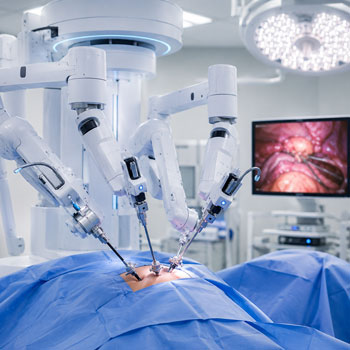
How Does Robotic Gynecological Surgery Work?
During robotic-assisted gynecological surgery, the patient is placed under anesthesia and small incisions are usually created in the abdomen. Through these openings, a camera and specialized surgical instruments are introduced. The surgeon operates from a nearby console while viewing detailed, magnified images of the internal organs.
The robotic instruments are designed to provide a wide range of movement, helping the surgeon perform delicate surgical steps with enhanced control. A surgical team remains beside the patient throughout the operation to assist with instruments, monitoring and other aspects of patient care. The surgeon remains responsible for every important surgical decision throughout the procedure.
What Gynecological Conditions Can Be Treated With Robotic Surgery?
Robotic-assisted techniques may be considered for several gynecological conditions. Whether robotic surgery is appropriate depends on the diagnosis, severity of the condition, previous surgeries, overall health and the surgeon's assessment.
- Uterine Fibroids: Selected fibroids may be removed through robotic myomectomy while preserving the uterus when clinically appropriate.
- Endometriosis: Robotic surgery may help surgeons identify and remove endometriosis lesions, particularly in selected complex cases.
- Hysterectomy: Robotic-assisted hysterectomy may be used to remove the uterus for certain benign or malignant gynecological conditions.
- Ovarian Conditions: Some ovarian cysts or masses may be managed through minimally invasive robotic procedures when suitable.
- Pelvic Organ Prolapse: Robotic-assisted procedures may be used to restore support to pelvic organs in appropriately selected patients.
- Gynecological Cancers: Selected cases involving endometrial, cervical or other gynecological cancers may be treated using minimally invasive robotic techniques when oncologically appropriate.
Common Types of Robotic Gynecological Surgeries
Robotic Hysterectomy
A hysterectomy involves removal of the uterus. Depending on the medical condition, the cervix, fallopian tubes or ovaries may also need to be removed. Robotic hysterectomy allows the surgeon to perform selected hysterectomies through small abdominal incisions instead of a large open incision.
Robotic Myomectomy
Myomectomy is performed to remove uterine fibroids while retaining the uterus. Robotic assistance may help with precise removal of selected fibroids and reconstruction of the uterine muscle. The suitability of this approach depends on the number, location and size of the fibroids and the patient's individual treatment goals.
Robotic Endometriosis Surgery
Endometriosis occurs when tissue similar to the lining of the uterus grows outside the uterus. It may cause pelvic pain, painful periods and fertility-related concerns. In selected patients, robotic-assisted surgery can be used to remove endometriosis lesions and release scar tissue or adhesions.
Robotic Sacrocolpopexy
Sacrocolpopexy is one of the procedures used to treat pelvic organ prolapse, particularly vaginal vault prolapse. Robotic assistance may enable surgeons to perform reconstruction and suturing through a minimally invasive approach.
Robotic Gynecologic Cancer Surgery
Some patients with gynecological cancers may be candidates for robotic-assisted surgery. Depending on the cancer type and stage, surgery may involve hysterectomy, removal of the fallopian tubes and ovaries, lymph node assessment or other necessary procedures. Cancer treatment must always be individualized after appropriate evaluation and staging.
Potential Benefits of Robotic Gynecological Surgery
For appropriately selected patients, robotic-assisted gynecological surgery may offer several advantages associated with minimally invasive surgery. These can include smaller incisions, reduced postoperative discomfort, less blood loss in some procedures, shorter hospitalization and a potentially quicker return to routine activities compared with traditional open surgery.
The surgeon may also benefit from a magnified three-dimensional view and instruments capable of controlled movements within confined anatomical spaces. These features can be helpful during complex dissection and suturing. However, the benefits vary according to the procedure, patient's condition and surgical circumstances, and robotic surgery is not automatically superior for every gynecological operation.
Robotic Surgery vs Traditional Open Gynecological Surgery
Traditional open surgery generally requires a larger abdominal incision to provide direct access to the reproductive organs. Robotic-assisted surgery uses several smaller incisions and specialized instruments. Because it is minimally invasive, recovery may be faster for some patients. However, open surgery remains an important and appropriate treatment option for many conditions.
Robotic surgery should also be distinguished from conventional laparoscopy. Both are minimally invasive approaches. In conventional laparoscopy, the surgeon directly handles long instruments while viewing a monitor. During robotic-assisted surgery, the surgeon controls articulated robotic instruments from a console. The most appropriate technique depends on the condition being treated, surgical complexity and the experience of the treating team.
Who May Be Suitable for Robotic Gynecological Surgery?
Not every patient requires or qualifies for robotic surgery. A gynecologist evaluates symptoms, medical history, imaging studies, previous abdominal or pelvic procedures and the specific diagnosis before recommending treatment. Factors such as fibroid characteristics, extent of endometriosis, cancer stage, other medical conditions and previous surgeries may influence the decision.
A detailed consultation helps patients understand whether robotic surgery, conventional laparoscopy, vaginal surgery, open surgery or non-surgical management is most appropriate. Treatment should be selected according to individual medical needs rather than the availability of a particular technology.
Recovery After Robotic Gynecological Surgery
Recovery varies depending on the type and complexity of surgery. Patients are usually encouraged to begin gentle movement as advised by their medical team. Mild abdominal discomfort, tiredness or temporary changes in bowel habits can occur after surgery. The surgeon provides individualized instructions regarding wound care, bathing, medications, diet, lifting restrictions, driving, exercise and returning to work.
Patients should attend scheduled follow-up appointments so that healing and recovery can be assessed. Symptoms such as persistent fever, heavy bleeding, increasing abdominal pain, breathing difficulty, severe vomiting or unusual wound changes should be reported promptly to the treating medical team.
Are There Risks With Robotic Gynecological Surgery?
Like any surgical procedure, robotic gynecological surgery carries potential risks. These may include bleeding, infection, blood clots, anesthesia-related complications and injury to nearby structures such as the bladder, bowel, ureters or blood vessels. In some situations, the surgeon may need to convert a minimally invasive procedure to open surgery for patient safety or to complete the operation effectively.
The likelihood of complications varies according to the patient's health, diagnosis and complexity of surgery. A preoperative consultation is therefore essential to discuss expected benefits, possible risks and alternative treatment options.
Advanced Minimally Invasive Care for Gynecological Conditions
Robotic gynecological surgery combines modern surgical technology with the expertise and judgment of a trained gynecologic surgeon. It can provide a minimally invasive option for selected patients requiring treatment for fibroids, endometriosis, hysterectomy, pelvic organ prolapse and certain gynecological cancers. The decision to undergo robotic surgery should always follow a comprehensive medical evaluation and an informed discussion about available treatment choices, expected recovery and individual risks.