
What Are Laparoscopic & Gynecological Services?
Laparoscopic and gynecological services provide comprehensive medical and surgical care for conditions affecting the female reproductive system. These services combine routine women’s healthcare, diagnostic evaluation, preventive care and advanced minimally invasive procedures. Modern gynecology focuses on identifying health concerns early, providing personalized treatment and helping women maintain reproductive and overall health through different stages of life.
Understanding Gynecological Services
Gynecological services focus on the health of the uterus, ovaries, fallopian tubes, cervix, vagina and related reproductive organs. Women may require gynecological consultation for menstrual problems, pelvic pain, abnormal bleeding, infections, fertility concerns, hormonal changes or other reproductive health conditions.
A gynecologist evaluates symptoms through medical history, physical examination and appropriate investigations. Depending on the condition, treatment may include lifestyle guidance, medications, hormonal therapy, minor procedures or surgery. Regular gynecological check-ups can also help identify certain health problems before they become more complicated.
What Is Laparoscopic Gynecological Surgery?
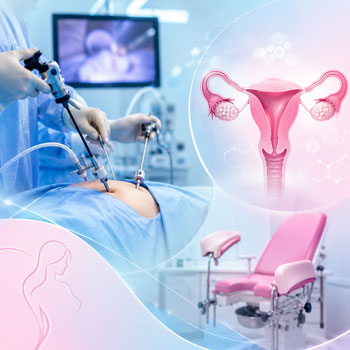
Laparoscopic gynecological surgery is a minimally invasive surgical technique used to diagnose and treat selected conditions involving the female reproductive organs. Instead of making a large abdominal incision, the surgeon usually performs the procedure through a few small incisions.
A laparoscope, which is a thin instrument equipped with a camera and light source, is inserted through one of these small openings. It provides a magnified view of the internal organs on a monitor. Specialized surgical instruments can then be introduced through additional small incisions to perform the required procedure.
Compared with traditional open surgery, minimally invasive laparoscopy may offer benefits such as smaller surgical wounds, reduced postoperative discomfort, shorter hospital stays and faster return to routine activities for appropriately selected patients. Recovery varies according to the procedure, medical condition and individual health factors.
Conditions Treated Through Gynecological Laparoscopy
Laparoscopic surgery may be recommended for several gynecological conditions after detailed evaluation. Common indications include ovarian cysts, endometriosis, uterine fibroids, ectopic pregnancy and certain causes of chronic pelvic pain. Laparoscopy can also be used as part of the evaluation or treatment of selected fertility-related conditions.
Some patients with uterine disorders may require laparoscopic hysterectomy, a minimally invasive procedure to remove the uterus. In other situations, procedures may be performed to remove ovarian cysts, treat endometriosis or evaluate abnormalities involving the ovaries and fallopian tubes. The most suitable surgical approach depends on the diagnosis, severity of the condition, previous surgeries and the patient’s overall health.
Menstrual and Hormonal Health Services
Menstrual problems are among the most common reasons women consult a gynecologist. Irregular periods, unusually heavy menstrual bleeding, painful periods, missed periods or bleeding between cycles should be assessed when they are persistent or concerning.
Conditions such as polycystic ovary syndrome (PCOS), hormonal imbalances, thyroid-related problems, fibroids and endometriosis can sometimes contribute to menstrual changes. Gynecological care aims to identify the underlying cause rather than focusing only on temporary symptom relief.
Ovarian Cyst and Fibroid Management
Ovarian cysts are fluid-filled or solid growths that develop in or on an ovary. Many cysts are harmless and may resolve without treatment, while others require monitoring, medication or surgery depending on their size, appearance and symptoms.
Uterine fibroids are non-cancerous growths arising from the muscular tissue of the uterus. They may cause heavy menstrual bleeding, pelvic pressure, abdominal discomfort or reproductive concerns in some women. Treatment is individualized and may range from observation and medications to minimally invasive or surgical management.
Endometriosis and Pelvic Pain Care
Endometriosis occurs when tissue similar to the lining of the uterus grows outside the uterus. It can be associated with severe menstrual pain, chronic pelvic discomfort, pain during intercourse and fertility difficulties. Evaluation may involve imaging and other investigations, while laparoscopy may sometimes be recommended for diagnosis or treatment.
Persistent pelvic pain can have several possible causes, including gynecological, urinary or gastrointestinal conditions. A detailed medical assessment is important to identify the source of the pain and determine appropriate treatment.
Preventive Women’s Healthcare
Gynecological services are not limited to treating existing diseases. Preventive women’s healthcare includes routine examinations, cervical cancer screening when appropriate, reproductive health counselling and evaluation of changes occurring during different stages of a woman’s life.
Women should consider seeking medical advice for persistent pelvic pain, unusual vaginal discharge, abnormal bleeding, significant menstrual changes, discomfort during intercourse or other new reproductive health symptoms. Early evaluation can support timely diagnosis and appropriate management.
Benefits of Modern Laparoscopic and Gynecological Care
Modern laparoscopic and gynecological services combine accurate diagnosis with individualized treatment planning. Minimally invasive techniques can reduce the need for large surgical incisions in suitable cases while allowing surgeons to diagnose and manage a wide range of reproductive health conditions.
Not every gynecological condition requires surgery, and laparoscopic surgery is not suitable for every patient. A specialist considers symptoms, examination findings, imaging results, medical history and future reproductive plans before recommending treatment.
Comprehensive Care for Women at Every Stage
From menstrual and hormonal concerns to ovarian cysts, fibroids, endometriosis and conditions requiring minimally invasive surgery, laparoscopic and gynecological services provide an integrated approach to women’s healthcare. Consulting an experienced gynecologist for persistent or unusual symptoms can help ensure accurate diagnosis, appropriate treatment and continued reproductive health support.