
What Is Cervical Cancer Screening & HPV Vaccination?
Cervical cancer is a cancer that develops in the cells of the cervix, the lower part of the uterus that connects to the vagina. In most cases, cervical cancer develops gradually after persistent infection with certain high-risk types of Human Papillomavirus (HPV). Regular cervical cancer screening and timely HPV vaccination are two important preventive measures that can significantly reduce the risk of cervical cancer.
Cervical cancer may not produce noticeable symptoms during its early or precancerous stages. Screening is therefore important even when a woman feels completely healthy. Screening can identify HPV infection or abnormal cervical cell changes before they progress to cancer, allowing appropriate medical evaluation and treatment at an earlier stage.
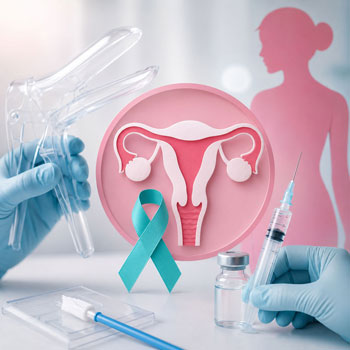
What Is Cervical Cancer Screening?
Cervical cancer screening is a preventive health check used to identify high-risk HPV infections and abnormal or precancerous changes in the cells of the cervix. The purpose of screening is not only to detect cervical cancer early but also to identify changes that may potentially develop into cancer in the future.
Screening methods may include an HPV test, Pap test or other recommended cervical screening methods depending on the woman's age, medical history, risk factors and local clinical guidelines. The appropriate screening method and interval should be discussed with a qualified healthcare professional.
What Is an HPV Test?
An HPV test checks cervical samples for high-risk types of Human Papillomavirus associated with cervical cell abnormalities and cervical cancer. Persistent infection with high-risk HPV is an important cause of cervical cancer. Detecting these infections allows doctors to determine whether further monitoring or evaluation may be required.
Current World Health Organization guidance recommends HPV nucleic acid testing as the preferred primary screening method where it is available. Screening schedules can vary according to national guidelines, available tests and individual health circumstances.
What Is a Pap Smear?
A Pap test, commonly called a Pap smear, examines cells collected from the cervix for abnormal changes. During the procedure, a healthcare professional gently collects a small sample of cervical cells. The sample is examined to identify changes that could represent precancerous abnormalities or other findings requiring medical attention.
A Pap smear is generally a quick procedure performed in a clinic or hospital. Some women may experience temporary discomfort or pressure during sample collection, but the procedure itself usually takes only a few minutes.
Why Is Cervical Cancer Screening Important?
Precancerous cervical changes often do not cause symptoms. Waiting until symptoms develop may allow a cervical abnormality to become more advanced. Regular screening gives healthcare professionals an opportunity to identify abnormal changes earlier and recommend appropriate follow-up care.
If a screening result is abnormal, it does not automatically mean that a woman has cervical cancer. Depending on the result, the doctor may recommend repeat testing, HPV testing, colposcopy, biopsy or another appropriate investigation. Early evaluation and treatment of precancerous lesions can help prevent many cases from progressing to invasive cervical cancer.
Who Should Consider Cervical Cancer Screening?
Screening recommendations differ between health authorities and countries. WHO guidance recommends regular HPV-based cervical cancer screening beginning at age 30 for women in the general population, with different recommendations for women living with HIV. Other national guidelines may recommend different starting ages, testing methods and intervals.
Women should therefore follow the screening programme recommended in their country and discuss their individual requirements with a gynecologist. Previous abnormal test results, immune status, previous treatment of cervical precancer and other medical factors may affect how often screening is needed.
What Is HPV Vaccination?
HPV vaccination helps protect against important types of Human Papillomavirus associated with cervical cancer and several other HPV-related diseases. The vaccine works best when administered before exposure to HPV, which is why vaccination is commonly recommended during adolescence.
HPV vaccination is a preventive vaccine. It prevents new infections with HPV types covered by the vaccine but does not treat an HPV infection that is already present or treat existing cervical precancer or cancer. Vaccination at the recommended age provides an opportunity to develop protection before future exposure to the virus.
At What Age Should HPV Vaccination Be Given?
HPV vaccination recommendations depend on age, immune status, previous vaccination and national immunization guidelines. WHO identifies girls aged 9 to 14 years as the primary target group for HPV vaccination programmes because vaccination before exposure to HPV provides strong preventive benefit.
Vaccination may also be appropriate for some older adolescents and adults depending on local recommendations and previous vaccination history. The number of vaccine doses required can vary according to age, immune status and the vaccination schedule being followed. Parents and adults should consult a healthcare professional to determine the appropriate HPV vaccination schedule.
Does HPV Vaccination Replace Cervical Cancer Screening?
No. HPV vaccination and cervical cancer screening perform different but complementary roles. Vaccination reduces the risk of infection from important cancer-causing HPV types, while screening detects high-risk HPV infection or abnormal cervical cell changes that may require monitoring or treatment.
HPV vaccines do not protect against every HPV type capable of contributing to cervical cancer. Therefore, women should continue recommended cervical cancer screening even if they have received the HPV vaccine.
What Happens If a Cervical Screening Test Is Abnormal?
An abnormal cervical screening result requires appropriate medical evaluation, but it should not immediately be interpreted as a cancer diagnosis. Many abnormal results are related to HPV infections or cervical cell changes that can be monitored or treated before cancer develops.
Depending on the screening findings, a gynecologist may recommend another HPV or Pap test, colposcopy or biopsy. Colposcopy allows the cervix to be examined more closely, while a biopsy may be performed when a suspicious area requires laboratory examination. Follow-up is important because persistent high-risk HPV infection and certain precancerous changes require appropriate medical management.
Symptoms That Need Gynecological Evaluation
Screening is intended for people who may have no symptoms. However, unusual vaginal bleeding, bleeding after sexual intercourse, bleeding between periods, bleeding after menopause, persistent unusual vaginal discharge or ongoing pelvic pain should be medically evaluated. These symptoms can occur for many reasons and do not necessarily indicate cervical cancer, but they should not be ignored.
Can Cervical Cancer Be Prevented?
Many cervical cancer cases can be prevented through a combination of HPV vaccination, appropriate cervical cancer screening and timely treatment of precancerous abnormalities. Avoiding tobacco and following appropriate sexual health practices can also contribute to reducing cervical cancer risk.
The World Health Organization's cervical cancer prevention strategy combines HPV vaccination as primary prevention with cervical screening and treatment of precancerous lesions as secondary prevention. Together, these approaches provide a powerful pathway for reducing cervical cancer incidence and mortality.
Importance of Regular Women's Health Check-Ups
Regular gynecological check-ups provide an opportunity to discuss cervical cancer screening, HPV vaccination, menstrual concerns, reproductive health and other women's health issues. A healthcare professional can recommend screening based on age, previous results, vaccination history and individual risk factors.
Women should not wait for symptoms before discussing cervical health. Cervical cancer prevention begins with awareness, appropriate HPV vaccination and screening at recommended intervals. Early identification of cervical abnormalities can provide more opportunities for effective management and may prevent precancerous changes from progressing to invasive cervical cancer.
Cervical Cancer Screening and HPV Vaccination: Take Preventive Action
Cervical cancer screening and HPV vaccination are essential components of preventive women's healthcare. HPV vaccination can reduce the risk of infection with important cancer-causing HPV types, while screening helps detect high-risk infections and precancerous cervical changes before they become more serious. Women and parents should speak with a gynecologist or qualified healthcare provider about the appropriate HPV vaccination and cervical cancer screening schedule for themselves or their children.