
What Are Menstrual Disorders?
Menstrual disorders are health conditions that affect the normal menstrual cycle, including the timing, frequency, duration, or amount of menstrual bleeding. Some women may experience very heavy periods, irregular cycles, missed periods, severe menstrual pain, or bleeding between periods. While occasional changes can occur due to stress, lifestyle, or temporary hormonal fluctuations, persistent menstrual problems may require medical evaluation.
A healthy menstrual cycle is influenced by hormones, the ovaries, uterus, brain, thyroid gland, and overall health. Changes in any of these areas can affect menstruation. Understanding menstrual disorders, their symptoms, causes, diagnosis, and treatment can help women recognize when changes in their periods need professional medical attention.
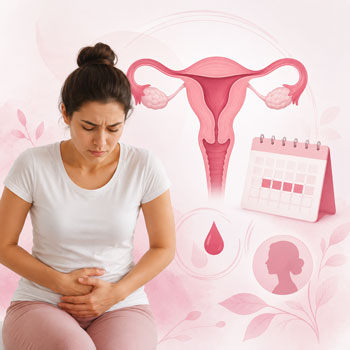
Understanding the Normal Menstrual Cycle
The menstrual cycle is a natural process in which hormonal changes prepare the female reproductive system for a possible pregnancy. If pregnancy does not occur, the lining of the uterus is shed through menstrual bleeding. Cycle length, bleeding duration, and flow can vary from one woman to another.
It is normal for cycles to show some variation, particularly during the first few years after menstruation begins and as menopause approaches. However, a noticeable change from a woman's usual menstrual pattern, especially when it continues for several cycles or interferes with everyday activities, should not be ignored.
Common Types of Menstrual Disorders
1. Heavy Menstrual Bleeding
Heavy menstrual bleeding refers to menstrual flow that is excessive or lasts longer than expected. A woman may need to change sanitary products very frequently, experience leakage, pass large blood clots, or find that bleeding affects sleep, work, school, or routine activities. Prolonged heavy bleeding may contribute to iron-deficiency anemia, causing tiredness, weakness, dizziness, or shortness of breath.
2. Irregular Periods
Irregular menstruation occurs when the length of the menstrual cycle varies considerably or periods occur unpredictably. Hormonal changes, polycystic ovary syndrome (PCOS), thyroid disorders, significant weight changes, stress, excessive exercise, and certain medications may contribute to irregular periods.
3. Amenorrhea or Absent Periods
Amenorrhea means the absence of menstrual periods. It may describe menstruation that has not started by the expected age or periods that stop after previously being regular. Pregnancy is an important cause of missed periods, but hormonal conditions, PCOS, low body weight, excessive physical activity, stress, thyroid problems, and other medical conditions can also affect menstruation.
4. Painful Periods
Painful menstruation, medically known as dysmenorrhea, can cause cramping or pain in the lower abdomen during or around a period. Some women may also experience lower back pain, nausea, headache, or fatigue. Mild cramps are common, but severe or progressively worsening menstrual pain may sometimes be associated with conditions such as endometriosis, adenomyosis, or uterine fibroids.
5. Bleeding Between Periods
Bleeding or spotting outside the expected menstrual period can have several causes. Hormonal fluctuations, contraceptive methods, infections, pregnancy-related conditions, cervical or uterine abnormalities, polyps, and other gynecological problems may be responsible. Recurrent unexplained bleeding between periods should be assessed by a healthcare professional.
What Causes Menstrual Disorders?
Menstrual disorders do not have a single cause. Hormonal imbalance is one of the common factors because estrogen, progesterone, and other hormones regulate ovulation and menstruation. Conditions affecting normal hormone production can therefore change the menstrual cycle.
Polycystic ovary syndrome is frequently associated with irregular or infrequent periods. Thyroid disorders may also influence menstrual frequency and flow. Structural conditions involving the uterus, including fibroids, polyps, and adenomyosis, can contribute to heavy or painful menstruation. Endometriosis is another condition that may cause significant menstrual pain and other pelvic symptoms.
Stress, sudden weight loss or gain, nutritional problems, intensive physical exercise, certain medicines, contraceptive methods, pregnancy-related changes, perimenopause, and some chronic illnesses can also influence menstrual patterns. Because many conditions can produce similar symptoms, identifying the underlying cause is important before deciding on treatment.
Symptoms Associated with Menstrual Problems
Menstrual disorders can present differently in each woman. Symptoms may include unusually heavy bleeding, periods lasting longer than usual, cycles that are consistently unpredictable, missed periods, severe abdominal cramps, pelvic pain, spotting between cycles, or bleeding after sexual intercourse.
Heavy or prolonged menstrual blood loss may also result in fatigue, pale skin, weakness, dizziness, reduced concentration, or breathlessness due to anemia. Keeping a menstrual calendar or using a period-tracking method can help record cycle dates, bleeding duration, flow, pain, and associated symptoms for discussion during a medical consultation.
How Are Menstrual Disorders Diagnosed?
Evaluation usually begins with a detailed medical and menstrual history. A doctor may ask about cycle frequency, duration, bleeding pattern, pain, pregnancy possibility, medications, contraception, weight changes, stress, and other symptoms. Depending on the individual situation, a physical or gynecological examination may be recommended.
Investigations can vary according to symptoms and may include pregnancy testing, blood tests to evaluate anemia or hormonal and thyroid-related concerns, and pelvic ultrasound to examine the uterus and ovaries. In selected cases, additional investigations may be recommended to evaluate the uterine lining or other possible causes of abnormal bleeding. Testing is individualized rather than identical for every patient.
Treatment for Menstrual Disorders
Treatment depends on the specific menstrual disorder, its underlying cause, symptom severity, age, general health, and future pregnancy plans. For some women, lifestyle changes and medical monitoring may be sufficient. Others may require medicines to control bleeding, manage pain, correct anemia, or regulate hormonal patterns.
When a condition such as PCOS, thyroid disease, fibroids, endometriosis, adenomyosis, or another gynecological problem is identified, treatment is directed toward the underlying condition. Certain structural problems may require minimally invasive procedures or surgery when clinically appropriate. A gynecologist can discuss available options and recommend an individualized treatment plan.
Can Lifestyle Affect Menstrual Health?
General health habits can support menstrual and reproductive health. Eating a balanced diet, maintaining an appropriate body weight, exercising regularly, getting adequate sleep, and managing stress may help support hormonal balance. Women experiencing heavy periods should also discuss iron intake and possible anemia with their healthcare provider rather than taking supplements without appropriate guidance.
Tracking menstrual cycles is another useful habit. Recording when a period begins, how long it lasts, whether the flow is unusually heavy, and the severity of pain can make it easier to recognize persistent changes and provide useful information during a medical evaluation.
When Should You Consult a Gynecologist?
Medical advice should be considered when periods suddenly become much heavier or more painful, menstrual cycles remain significantly irregular, periods stop unexpectedly, or bleeding repeatedly occurs between periods. Evaluation is also important when menstrual symptoms interfere with work, education, sleep, exercise, or everyday activities.
Very heavy bleeding accompanied by fainting, severe weakness, significant dizziness, severe pelvic or abdominal pain, or possible pregnancy requires prompt medical assessment. New bleeding after menopause should also be medically evaluated.
Why Early Evaluation of Menstrual Disorders Matters
Menstrual changes can sometimes be an early indication of hormonal, reproductive, or general health conditions. Persistent symptoms should therefore not automatically be considered a normal part of being a woman. Appropriate evaluation can help identify the cause, manage troublesome symptoms, reduce complications such as anemia, and support reproductive and overall health.
If you are experiencing irregular periods, heavy menstrual bleeding, missed periods, severe period pain, or unusual bleeding, consult a qualified gynecologist for proper assessment. Timely diagnosis and personalized treatment can help manage menstrual disorders effectively and improve comfort, confidence, and quality of life.